
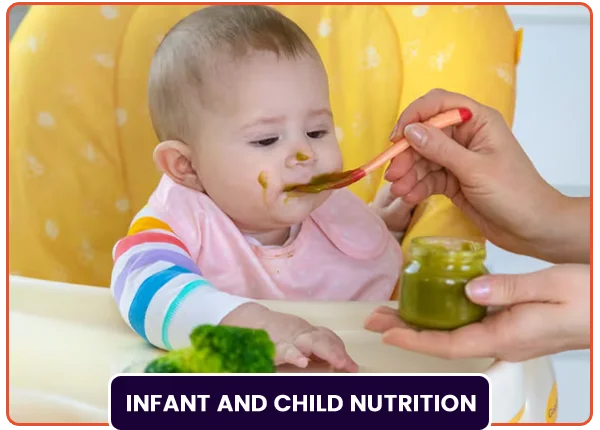
Infant and Child Nutrition
Proper nutrition during infancy and childhood lays the foundation for lifelong health and well-being. The early years of life are a period of rapid growth and development, making balanced nutrition essential for building strong bones, boosting immunity, supporting brain development, and preventing nutritional deficiencies. If you are looking for expert guidance on Infant and Child Nutrition in Ghaziabad, Dr. Gaurav Mishra offers comprehensive nutritional assessment and personalized dietary counseling to help children achieve optimal growth and development.
Nutrition needs vary significantly from infancy to adolescence. Babies require adequate breast milk or formula, while older children need a balanced diet rich in proteins, vitamins, minerals, healthy fats, and carbohydrates. Poor nutrition during childhood can lead to growth delays, weakened immunity, obesity, anemia, and developmental issues. Therefore, timely nutritional guidance and regular monitoring are essential to ensure healthy physical and mental development.
What is Infant and Child Nutrition?
Infant and Child Nutrition is a specialized area of pediatric healthcare that focuses on meeting the nutritional requirements of babies, toddlers, children, and adolescents. It includes guidance on breastfeeding, complementary feeding, age-appropriate diets, management of picky eating, and treatment of nutritional deficiencies.
Good nutrition helps children:
- Achieve healthy growth and weight gain
- Develop strong bones and muscles
- Improve brain development and learning abilities
- Strengthen the immune system
- Maintain healthy digestion
- Prevent nutritional deficiencies
- Reduce the risk of obesity and chronic diseases
According to the World Health Organization, proper nutrition during the first 1,000 days of life—from conception to a child's second birthday—is critical for healthy growth and cognitive development. (who.int)
Importance of Nutrition During Infancy and Childhood
Children grow rapidly, and their bodies require a variety of nutrients to support this growth. Adequate nutrition during early life has several long-term benefits, including:
- Better physical growth
- Improved brain function
- Stronger immunity
- Healthy eating habits
- Better academic performance
- Reduced risk of infections
- Prevention of obesity and diabetes later in life
Malnutrition, whether due to undernutrition or overnutrition, can negatively impact a child's physical and mental development. Early intervention and nutritional counseling can help prevent these problems and promote healthy lifestyles.
Nutritional Needs of Infants
Exclusive Breastfeeding
Breast milk is the ideal food for infants during the first six months of life. It provides:
- Complete nutrition
- Antibodies that protect against infections
- Easily digestible proteins and fats
- Essential vitamins and minerals
- Emotional bonding between mother and baby
Exclusive breastfeeding for six months is recommended by global health organizations because it significantly improves infant survival and health outcomes. (who.int)
Complementary Feeding
After six months, babies need additional foods along with breast milk.
Recommended foods include:
- Mashed fruits
- Vegetable purees
- Rice cereal
- Khichdi
- Dal
- Yogurt
- Eggs (as advised)
- Soft cooked vegetables
Complementary foods should be introduced gradually while maintaining breastfeeding.
Nutritional Requirements of Children
As children grow, their nutritional needs change.
Proteins
Proteins are essential for:
- Muscle growth
- Tissue repair
- Brain development
- Hormone production
Sources include:
- Milk and dairy products
- Eggs
- Chicken and fish
- Lentils
- Soy products
- Nuts and seeds
Carbohydrates
Carbohydrates provide energy for daily activities.
Healthy sources:
- Whole grains
- Oats
- Brown rice
- Fruits
- Vegetables
Healthy Fats
Fats support:
- Brain development
- Hormone production
- Vitamin absorption
Sources include:
- Nuts
- Seeds
- Ghee in moderation
- Avocados
- Fatty fish
Vitamins and Minerals
Essential micronutrients include:
- Iron
- Calcium
- Vitamin D
- Zinc
- Vitamin A
- Vitamin C
A deficiency of these nutrients can affect growth, immunity, and cognitive development.
Common Nutritional Problems in Children
Dr. Gaurav Mishra provides nutritional counseling and management for various childhood nutritional concerns, including:
1. Poor Weight Gain
Some children fail to gain weight appropriately because of:
- Inadequate calorie intake
- Feeding difficulties
- Frequent infections
- Malabsorption disorders
A customized nutrition plan helps improve weight gain safely.
2. Childhood Obesity
Excessive consumption of processed foods and lack of physical activity can lead to obesity.
Obesity increases the risk of:
- Diabetes
- High blood pressure
- Sleep disorders
- Joint problems
- Emotional issues
Healthy dietary habits and lifestyle modifications are essential for weight management.
3. Iron Deficiency Anemia
Iron deficiency is one of the most common nutritional problems in children.
Symptoms include:
- Fatigue
- Pale skin
- Poor appetite
- Irritability
- Delayed development
Early diagnosis and iron-rich diets help prevent complications.
4. Vitamin D and Calcium Deficiency
Insufficient calcium and vitamin D may result in:
- Weak bones
- Delayed walking
- Bone pain
- Frequent fractures
Appropriate diet and supplements can improve bone health.
5. Picky Eating
Many children refuse certain foods or eat very limited diets.
Professional guidance helps parents:
- Introduce new foods
- Improve eating habits
- Ensure balanced nutrition
- Reduce mealtime stress
Nutrition Assessment and Counseling
Dr. Gaurav Mishra offers comprehensive nutritional evaluation that includes:
- Growth assessment
- Height and weight measurement
- BMI calculation
- Dietary history analysis
- Feeding behavior assessment
- Nutritional deficiency screening
- Personalized meal planning
- Lifestyle counseling
The nutritional plan is designed according to:
- Child's age
- Growth pattern
- Medical conditions
- Food preferences
- Activity levels
Regular follow-up ensures that nutritional goals are achieved effectively.
Healthy Eating Tips for Children
Parents can encourage healthy eating habits by:
- Offering a balanced diet every day
- Including fruits and vegetables in meals
- Avoiding excessive sugary foods
- Limiting junk food and soft drinks
- Encouraging adequate water intake
- Serving meals at regular times
- Making mealtime enjoyable
- Being a role model for healthy eating
- Promoting physical activity
- Avoiding force-feeding
Healthy eating habits developed during childhood often continue into adulthood.
Benefits of Expert Infant and Child Nutrition Guidance
Professional nutritional counseling offers many benefits:
- Healthy growth and development
- Improved immunity
- Better brain function
- Prevention of nutritional deficiencies
- Healthy weight management
- Better eating habits
- Increased energy levels
- Reduced risk of chronic diseases
- Enhanced physical and mental performance
- Improved overall quality of life
Early nutritional intervention can positively impact a child's future health and well-being.
Why Choose Dr. Gaurav Mishra for Infant and Child Nutrition in Ghaziabad?
Dr. Gaurav Mishra provides evidence-based nutritional care for infants and children in Ghaziabad. He focuses on creating individualized nutrition plans that support healthy growth, improve immunity, and address specific nutritional concerns.
Reasons to choose Dr. Gaurav Mishra include:
- Comprehensive nutritional assessment
- Expertise in pediatric nutrition
- Growth and development monitoring
- Personalized meal plans
- Management of nutritional deficiencies
- Guidance for breastfeeding and complementary feeding
- Childhood obesity management
- Parent education and counseling
- Child-friendly and compassionate care
Every child receives personalized attention to ensure optimal nutritional health and overall development.
Conclusion
Nutrition is one of the most important factors influencing a child's growth, development, and future health. Balanced nutrition during infancy and childhood helps build strong immunity, healthy eating habits, and a solid foundation for lifelong wellness. With expert Infant and Child Nutrition in Ghaziabad, Dr. Gaurav Mishra provides comprehensive nutritional guidance tailored to your child's unique needs.
Schedule a consultation today and give your child the gift of healthy growth and a brighter future.
FAQs
1. What is the best diet for infants?
Exclusive breastfeeding for the first six months is recommended, followed by age-appropriate complementary foods along with continued breastfeeding.
2. How can I improve my child's eating habits?
Offer a variety of nutritious foods, maintain regular meal timings, avoid force-feeding, and encourage healthy eating through positive reinforcement.
3. When should complementary foods be introduced?
Complementary foods are generally introduced at six months of age while continuing breastfeeding.
4. What are signs of nutritional deficiency in children?
Poor growth, fatigue, frequent infections, pale skin, delayed development, and poor appetite may indicate nutritional deficiencies.
5. How often should my child's nutrition be assessed?
Regular nutritional assessments during routine pediatric visits help monitor growth, identify deficiencies early, and ensure healthy development.
Proper nutrition during infancy and childhood lays the foundation for lifelong health and well-being. The early years of life are a period of rapid growth and development, making balanced nutrition essential for building strong bones, boosting immunity, supporting brain development, and preventing nutritional deficiencies. If you are looking for expert guidance on Infant and Child Nutrition in Ghaziabad, Dr. Gaurav Mishra offers comprehensive nutritional assessment and personalized dietary counseling to help children achieve optimal growth and development.
Nutrition needs vary significantly from infancy to adolescence. Babies require adequate breast milk or formula, while older children need a balanced diet rich in proteins, vitamins, minerals, healthy fats, and carbohydrates. Poor nutrition during childhood can lead to growth delays, weakened immunity, obesity, anemia, and developmental issues. Therefore, timely nutritional guidance and regular monitoring are essential to ensure healthy physical and mental development.
What is Infant and Child Nutrition?
Infant and Child Nutrition is a specialized area of pediatric healthcare that focuses on meeting the nutritional requirements of babies, toddlers, children, and adolescents. It includes guidance on breastfeeding, complementary feeding, age-appropriate diets, management of picky eating, and treatment of nutritional deficiencies.
Good nutrition helps children:
- Achieve healthy growth and weight gain
- Develop strong bones and muscles
- Improve brain development and learning abilities
- Strengthen the immune system
- Maintain healthy digestion
- Prevent nutritional deficiencies
- Reduce the risk of obesity and chronic diseases
According to the World Health Organization, proper nutrition during the first 1,000 days of life—from conception to a child's second birthday—is critical for healthy growth and cognitive development. (who.int)
Importance of Nutrition During Infancy and Childhood
Children grow rapidly, and their bodies require a variety of nutrients to support this growth. Adequate nutrition during early life has several long-term benefits, including:
- Better physical growth
- Improved brain function
- Stronger immunity
- Healthy eating habits
- Better academic performance
- Reduced risk of infections
- Prevention of obesity and diabetes later in life
Malnutrition, whether due to undernutrition or overnutrition, can negatively impact a child's physical and mental development. Early intervention and nutritional counseling can help prevent these problems and promote healthy lifestyles.
Nutritional Needs of Infants
Exclusive Breastfeeding
Breast milk is the ideal food for infants during the first six months of life. It provides:
- Complete nutrition
- Antibodies that protect against infections
- Easily digestible proteins and fats
- Essential vitamins and minerals
- Emotional bonding between mother and baby
Exclusive breastfeeding for six months is recommended by global health organizations because it significantly improves infant survival and health outcomes. (who.int)
Complementary Feeding
After six months, babies need additional foods along with breast milk.
Recommended foods include:
- Mashed fruits
- Vegetable purees
- Rice cereal
- Khichdi
- Dal
- Yogurt
- Eggs (as advised)
- Soft cooked vegetables
Complementary foods should be introduced gradually while maintaining breastfeeding.
Nutritional Requirements of Children
As children grow, their nutritional needs change.
Proteins
Proteins are essential for:
- Muscle growth
- Tissue repair
- Brain development
- Hormone production
Sources include:
- Milk and dairy products
- Eggs
- Chicken and fish
- Lentils
- Soy products
- Nuts and seeds
Carbohydrates
Carbohydrates provide energy for daily activities.
Healthy sources:
- Whole grains
- Oats
- Brown rice
- Fruits
- Vegetables
Healthy Fats
Fats support:
- Brain development
- Hormone production
- Vitamin absorption
Sources include:
- Nuts
- Seeds
- Ghee in moderation
- Avocados
- Fatty fish
Vitamins and Minerals
Essential micronutrients include:
- Iron
- Calcium
- Vitamin D
- Zinc
- Vitamin A
- Vitamin C
A deficiency of these nutrients can affect growth, immunity, and cognitive development.
Common Nutritional Problems in Children
Dr. Gaurav Mishra provides nutritional counseling and management for various childhood nutritional concerns, including:
1. Poor Weight Gain
Some children fail to gain weight appropriately because of:
- Inadequate calorie intake
- Feeding difficulties
- Frequent infections
- Malabsorption disorders
A customized nutrition plan helps improve weight gain safely.
2. Childhood Obesity
Excessive consumption of processed foods and lack of physical activity can lead to obesity.
Obesity increases the risk of:
- Diabetes
- High blood pressure
- Sleep disorders
- Joint problems
- Emotional issues
Healthy dietary habits and lifestyle modifications are essential for weight management.
3. Iron Deficiency Anemia
Iron deficiency is one of the most common nutritional problems in children.
Symptoms include:
- Fatigue
- Pale skin
- Poor appetite
- Irritability
- Delayed development
Early diagnosis and iron-rich diets help prevent complications.
4. Vitamin D and Calcium Deficiency
Insufficient calcium and vitamin D may result in:
- Weak bones
- Delayed walking
- Bone pain
- Frequent fractures
Appropriate diet and supplements can improve bone health.
5. Picky Eating
Many children refuse certain foods or eat very limited diets.
Professional guidance helps parents:
- Introduce new foods
- Improve eating habits
- Ensure balanced nutrition
- Reduce mealtime stress
Nutrition Assessment and Counseling
Dr. Gaurav Mishra offers comprehensive nutritional evaluation that includes:
- Growth assessment
- Height and weight measurement
- BMI calculation
- Dietary history analysis
- Feeding behavior assessment
- Nutritional deficiency screening
- Personalized meal planning
- Lifestyle counseling
The nutritional plan is designed according to:
- Child's age
- Growth pattern
- Medical conditions
- Food preferences
- Activity levels
Regular follow-up ensures that nutritional goals are achieved effectively.
Healthy Eating Tips for Children
Parents can encourage healthy eating habits by:
- Offering a balanced diet every day
- Including fruits and vegetables in meals
- Avoiding excessive sugary foods
- Limiting junk food and soft drinks
- Encouraging adequate water intake
- Serving meals at regular times
- Making mealtime enjoyable
- Being a role model for healthy eating
- Promoting physical activity
- Avoiding force-feeding
Healthy eating habits developed during childhood often continue into adulthood.
Benefits of Expert Infant and Child Nutrition Guidance
Professional nutritional counseling offers many benefits:
- Healthy growth and development
- Improved immunity
- Better brain function
- Prevention of nutritional deficiencies
- Healthy weight management
- Better eating habits
- Increased energy levels
- Reduced risk of chronic diseases
- Enhanced physical and mental performance
- Improved overall quality of life
Early nutritional intervention can positively impact a child's future health and well-being.
Why Choose Dr. Gaurav Mishra for Infant and Child Nutrition in Ghaziabad?
Dr. Gaurav Mishra provides evidence-based nutritional care for infants and children in Ghaziabad. He focuses on creating individualized nutrition plans that support healthy growth, improve immunity, and address specific nutritional concerns.
Reasons to choose Dr. Gaurav Mishra include:
- Comprehensive nutritional assessment
- Expertise in pediatric nutrition
- Growth and development monitoring
- Personalized meal plans
- Management of nutritional deficiencies
- Guidance for breastfeeding and complementary feeding
- Childhood obesity management
- Parent education and counseling
- Child-friendly and compassionate care
Every child receives personalized attention to ensure optimal nutritional health and overall development.
Conclusion
Nutrition is one of the most important factors influencing a child's growth, development, and future health. Balanced nutrition during infancy and childhood helps build strong immunity, healthy eating habits, and a solid foundation for lifelong wellness. With expert Infant and Child Nutrition in Ghaziabad, Dr. Gaurav Mishra provides comprehensive nutritional guidance tailored to your child's unique needs.
Schedule a consultation today and give your child the gift of healthy growth and a brighter future.
FAQs
1. What is the best diet for infants?
Exclusive breastfeeding for the first six months is recommended, followed by age-appropriate complementary foods along with continued breastfeeding.
2. How can I improve my child's eating habits?
Offer a variety of nutritious foods, maintain regular meal timings, avoid force-feeding, and encourage healthy eating through positive reinforcement.
3. When should complementary foods be introduced?
Complementary foods are generally introduced at six months of age while continuing breastfeeding.
4. What are signs of nutritional deficiency in children?
Poor growth, fatigue, frequent infections, pale skin, delayed development, and poor appetite may indicate nutritional deficiencies.
5. How often should my child's nutrition be assessed?
Regular nutritional assessments during routine pediatric visits help monitor growth, identify deficiencies early, and ensure healthy development.
Proper nutrition during infancy and childhood lays the foundation for lifelong health. Dr. Gaurav Mishra offers expert counseling on balanced diets, breastfeeding, weaning, and age-appropriate food choices. He helps parents address feeding difficulties, poor appetite, and nutritional deficiencies with tailored advice. With a focus on practical solutions and preventive care, Dr. Mishra ensures that every child receives the essential nutrients needed for optimal growth and development.
Category : Infant & Child Nutrition


